 440 Nicholson Rd, Forrestdale WA 6112
 (08) 9397 1286
 reception@dentalvet.com.au
The importance of sedation in equine veterinary dental care
3 May 2026 / Dr Kirsten Jackson
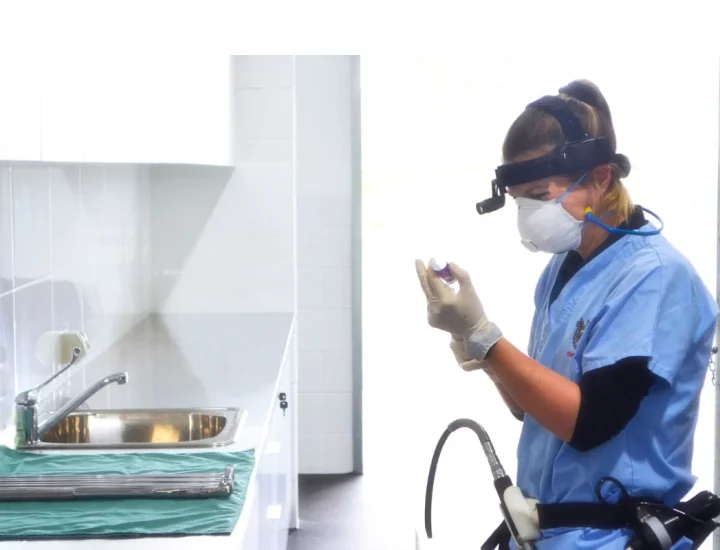
Sedation is a topic that often prompts questions when discussing equine dental care. Understandably, some owners have concerns about safety, while others may wonder whether sedation is truly necessary for procedures that appear straightforward.
In practice, sedation is not simply an optional addition. It’s an essential component of providing safe, thorough, and compassionate veterinary dental care for your horse.
At Dental Vet, we use sedation to ensure the experience is calm, controlled, and comfortable for your horse and everyone involved in their care. It is also essential to ensure the very subtle signs of serious dental disease aren’t missed.
Why Sedation Matters
Horses are sensitive, responsive animals, and their mouths are particularly perceptive. Even horses with calm temperaments may react unexpectedly if they experience something unfamiliar during a dental procedure.
Sedation helps us minimise stress and movement, allowing for a thorough examination without causing unnecessary fear or discomfort. It also helps maintain everyone’s safety while working with the horse, as dental procedures require close proximity to the head and the use of dental equipment.
Equally important, sedation enables us to perform a complete and accurate assessment. Without it, it is not possible to safely or thoroughly evaluate every structure within the mouth.
A Thorough Examination Requires It
Many of the most painful dental conditions in horses can be subtle and may not present with obvious signs. These issues are easily overlooked without a detailed and careful examination.
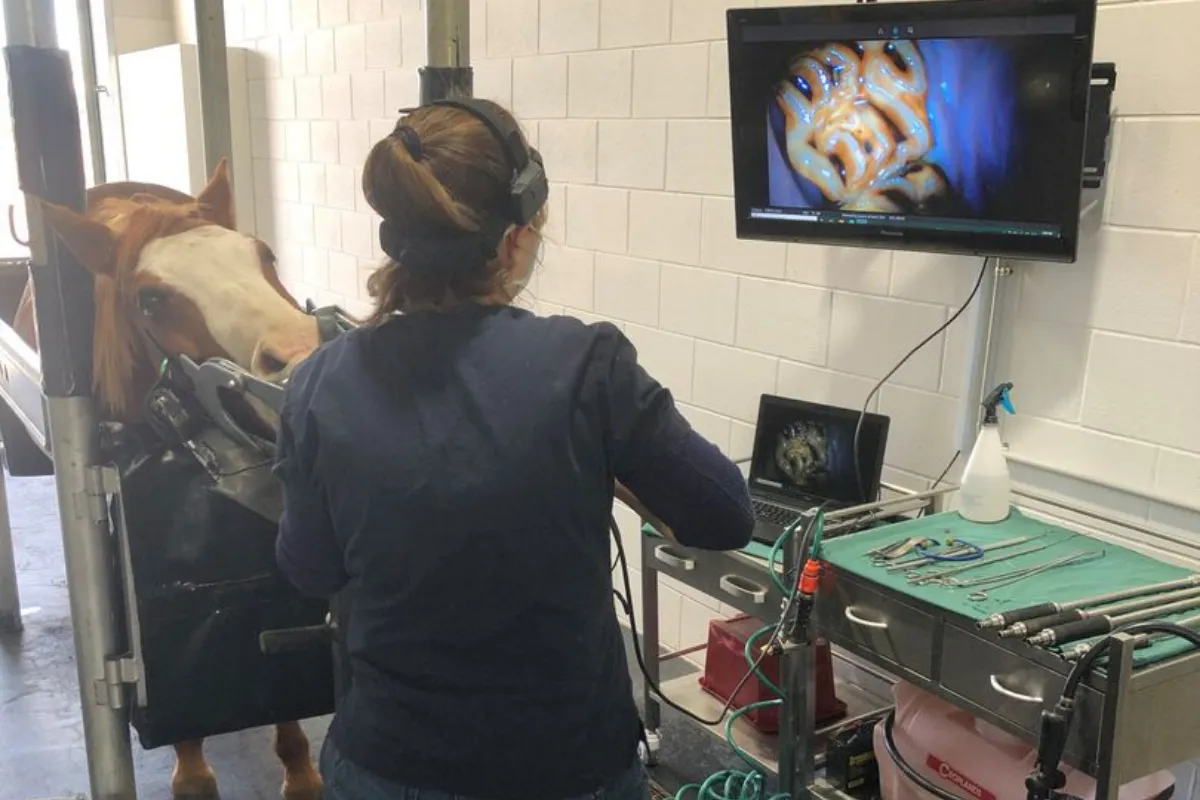
Sedation allows us to gently and thoroughly examine each tooth, every surface, and the surrounding soft tissues. With the horse relaxed, we can use a speculum, bright lighting, mirrors, and an endoscope to identify early disease, small fractures, feed packing, open pulp cavities and other subtle yet serious changes that might otherwise go unnoticed.
These subtle problems, if left undiagnosed and untreated, can lead to long-term discomfort and more serious health concerns for the horse.
Safety Always Comes First
It is entirely reasonable to have questions about the safety of sedation.
Before administering sedation, we carry out a physical examination and review your horse’s medical history to ensure it is safe and appropriate to proceed. As veterinarians, we are trained not only in how these medications work, but in how to assess each individual horse, select the most appropriate drugs, and adjust them as needed. Just as importantly, we are equipped to recognise and manage complications should they arise, which is a critical part of providing safe care. This level of clinical assessment is an essential part of safe sedation and cannot be separated from the dental procedure itself.
This step is essential, as sedation affects the entire body. Our responsibility is to ensure that the benefits of sedation clearly outweigh any potential risks for each individual horse.
If there are any concerns, we may choose to delay or modify a procedure. These decisions are always made with the horse’s safety and well-being as our highest priority.
Better For Your Horse’s Experience
A calm horse is a comfortable horse, and comfort is central to a positive experience.
Sedation helps to reduce anxiety and prevents the horse from becoming overwhelmed during the procedure. It allows us to work gently and efficiently, without rushing or working around resistance, which supports a more positive outcome for the horse.
At the beginning of every appointment, we take the time to help each horse settle and feel at ease. When a horse is relaxed, sedation is more effective, making the experience safer and more positive for everyone involved.
This approach benefits not only the current visit but also future appointments. Horses remember their experiences, and ensuring each one is positive is an important aspect of responsible, compassionate care.
It Allows Proper Treatment
Sedation is important not only for examination but also for providing appropriate treatment for any issues we identify.
Whether we are addressing sharp enamel points, correcting overgrowths, or treating periodontal disease, it is essential that the horse remains still and comfortable to ensure safe and effective care.
Procedures such as cleaning infected areas between the teeth to treat periodontal disease require precision, adequate time and often additional pain relief as deep pockets can be painful. As veterinarians, we can assess this and add additional pain relief where needed to ensure your horse is comfortable. Without sedation and in many cases additional pain relief, it is not possible to provide this level of detailed care.
Early and thorough treatment can greatly improve your horse’s comfort and support their long-term oral health.
Addressing Common Concerns
It is natural to feel uncertain about sedation, particularly if your horse seems calm or has previously undergone dental procedures without it.
However, a quick or limited dental procedure without appropriate sedation often leaves areas of the mouth unexamined and untreated, increasing the risk of missing early signs of disease.
Our aim is not simply to complete the appointment, but to fully understand what is occurring in your horse’s mouth and to address any issues with care and precision.
Sedation enables us to provide this level of care with accuracy and careful attention to detail.
The Bottom Line
Sedation is a vital part of equine dental care. It allows us to thoroughly examine the mouth, treat any problems effectively, and ensure your horse remains as comfortable and safe as possible throughout the process.
When used appropriately, sedation should not be a source of concern. Instead, it is a tool that enables us to provide the highest standard of care for your horse.

Meet the Author
Dr Kirsten Jackson is the Owner and Director of Dental Vet and is passionate about her craft, treating every patient with the time, care and consideration she would give her own.
She is dedicated to improving the comfort and wellbeing of horses and other equine patients through advanced, preventative and compassionate dental care.
FAQs
Why do horses need sedation for dental examinations and floating procedures?
We use sedation to reduce movement and stress, allowing us to safely examine and treat every part of the mouth without causing discomfort or risking injury.
Is sedation safe for horses during routine dental care appointments?
Sedation is generally very safe when the horse is assessed by a veterinarian beforehand, and a tailored approach is used for the individual.
Can a horse have a dental examination without being sedated?
A limited examination may be possible, but it will not allow a thorough assessment of all teeth and structures, which increases the risk of missing disease. All cases at Dental Vet are sedated as the risks of leaving serious pathology unaddressed are too high without sedation.
How long does sedation last during an equine dental procedure?
The effects vary depending on the horse, the medication used, and whether subsequent doses are required, but sedation is typically intended to last the duration of the procedure, with most horses ready to go home after 15-20 minutes.
What are the risks of not sedating a horse for dental work?
Without sedation, the horse may move or react suddenly, making the procedure unsafe and preventing a complete and accurate examination. Signs of the most serious pathology are very subtle and easily missed unless the patient is still.
Will my horse feel pain during a dental procedure under sedation?
While a routine dental visit shouldn’t be painful, treating periodontal disease can be uncomfortable. Sedation helps keep your horse calm and comfortable, and our standard sedation includes powerful pain relief. We also use additional pain relief where needed to ensure the procedure is as comfortable as possible.

Whether you've got a new foal, referring a patient for review, or are worried about your horse's wellbeing, we're here to help!