 440 Nicholson Rd, Forrestdale WA 6112
 (08) 9397 1286
 reception@dentalvet.com.au
Inside Dental Vet’s Workshop For Equine Vets
4 September 2026 / Dr Kirsten Jackson
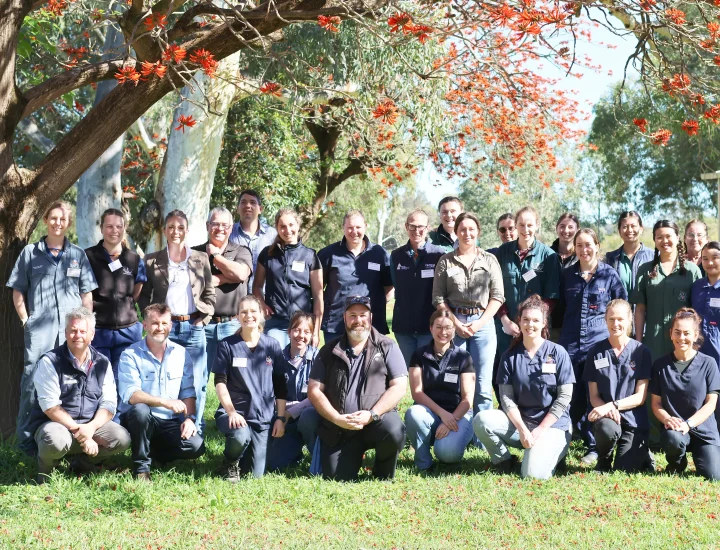
As you may know, Dr Tory and I recently hosted a continuing education opportunity for equine vets to strengthen their skills and build confidence in clinical decision-making for equine dental cases. When we last held this course, one of the most encouraging outcomes was seeing the knowledge continue to circulate. Previous participants have since encouraged newer graduates from their practices to attend.
This time, I noticed a significant shift in the standard of care across our industry. The baseline knowledge among equine veterinarians in Western Australia has grown, which is truly encouraging. When we founded Dental Vet, our vision was to make evidence-based, preventative equine dental care the standard rather than the exception. It is rewarding to see that by holding events like this, we are helping, in some small way, to make that vision a reality.
We were also fortunate enough to have Dr James Meyer, Head Subject Examiner for Equine Dentistry with the ANZCVS and Co-Editor of the AEV Journal; Dr Thomas Hamilton, Director of Perth Horse Dentistry & Veterinary Services; and Dr Clinton Float of Pegasus Equine Dentistry join us as tutors.
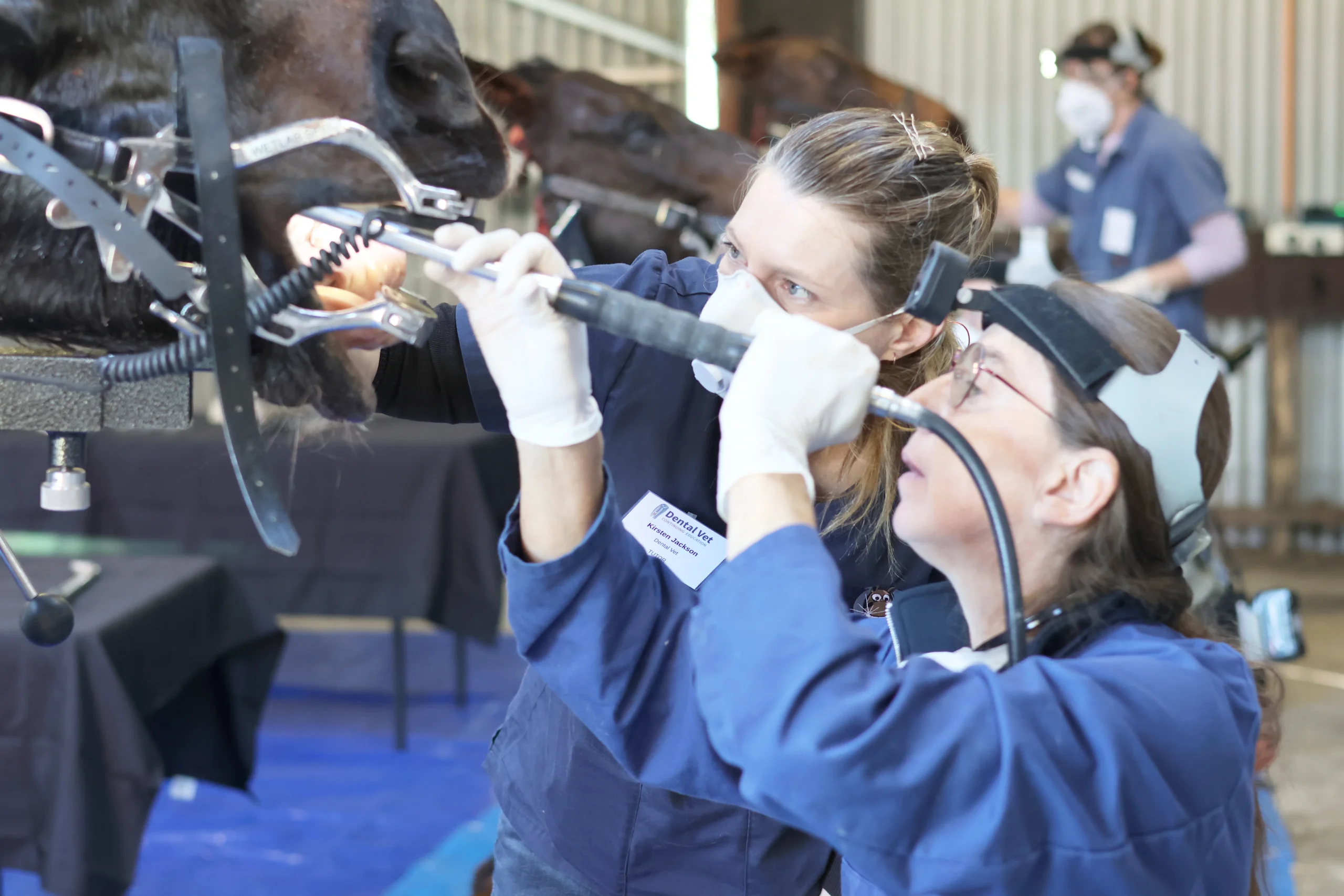
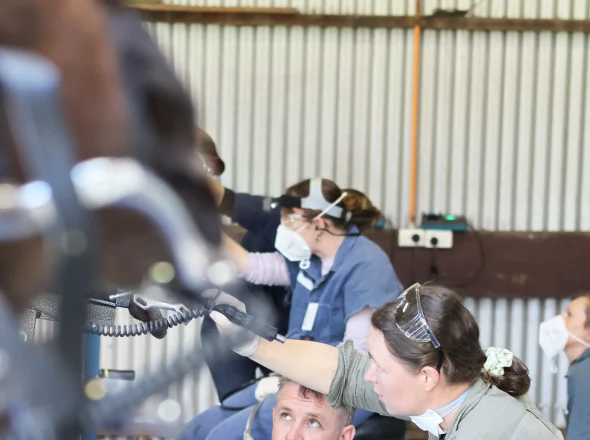
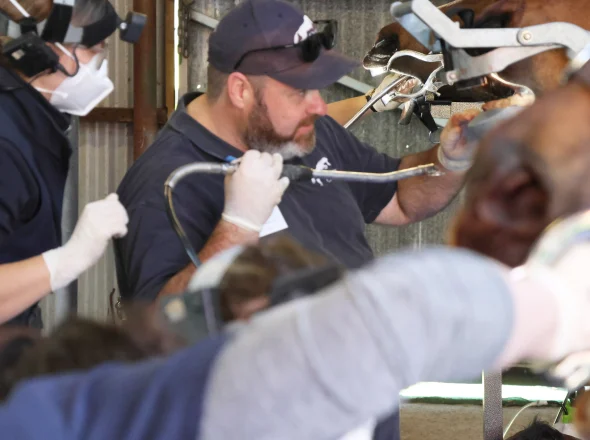
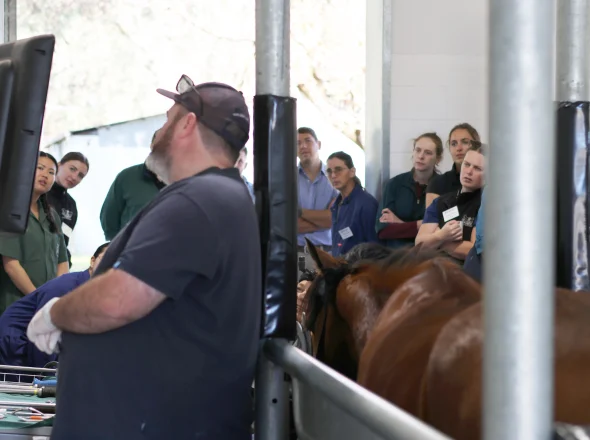
Having such a dedicated team allowed us to maintain a participant-to-tutor ratio of approximately 2–3:1 throughout the practical sessions. This gave each veterinarian extensive hands-on experience, individual guidance and detailed feedback, with very little time spent waiting for their turn.
Participant Experience & Outcomes
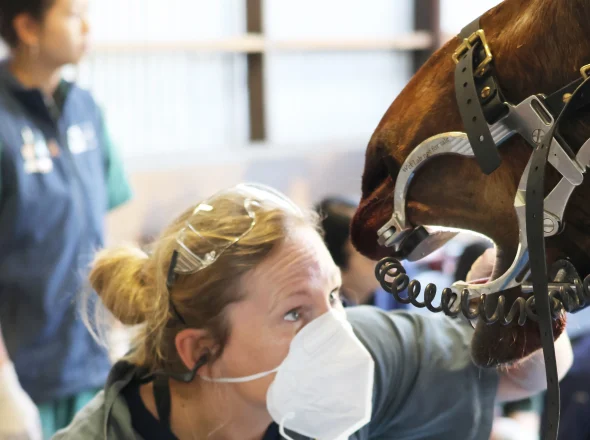
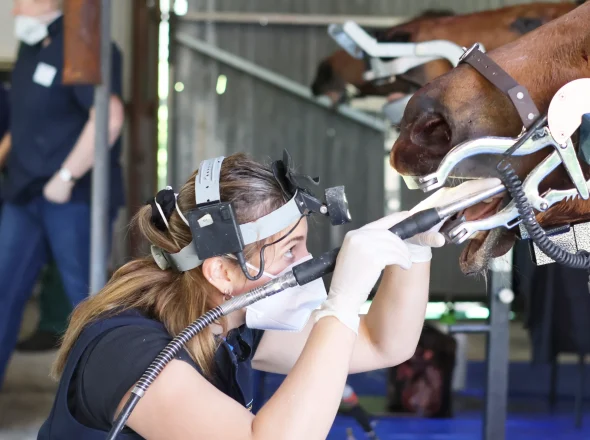
Over three days, we combined theory, cadaver work, and live-horse sessions. By the end of the workshop, participants expressed a sense of accomplishment and renewed enthusiasm for their clinical practice.
All participants rated the workshop as excellent overall. Shortly after the event, a practice owner told us that the two veterinarians he sent returned inspired, motivated, and more confident in applying their new skills. He expressed his appreciation for the opportunity to support their development.
While this feedback was rewarding, the most significant outcomes became clear during the practical sessions. Veterinarians began to notice subtle details that might previously have gone unrecognised. They refined their techniques and gained the confidence to attempt procedures that once felt challenging.
These experiences highlighted progress in equine dental knowledge, identified areas where further learning is needed, and demonstrated how practical education can directly improve equine welfare.

“Highly knowledgeable vets presenting and covering a wide range of topics. They catered for everyone from new grads to 10+ year equine vets.”
Course Participant
Equine Dental Knowledge Has Moved Forward
I was encouraged to see the group’s strong foundational knowledge from the outset.
Several years ago, when we last hosted this workshop, many veterinarians were unfamiliar with the detailed anatomy of a tooth’s occlusal surface. This year, most participants demonstrated a clear understanding of these structures, which is a testament to the progress being made.
This improvement is important because recognising normal anatomy forms the basis for identifying pathology. With a stronger foundation, we can progress education towards clinical decision-making and advanced treatment techniques.
While there is always more to learn, it is clear that our profession is advancing.
Confidence Came From Doing The Work
Several participants shared that they now feel equipped to attempt procedures they previously wouldn’t have had the confidence to treat.
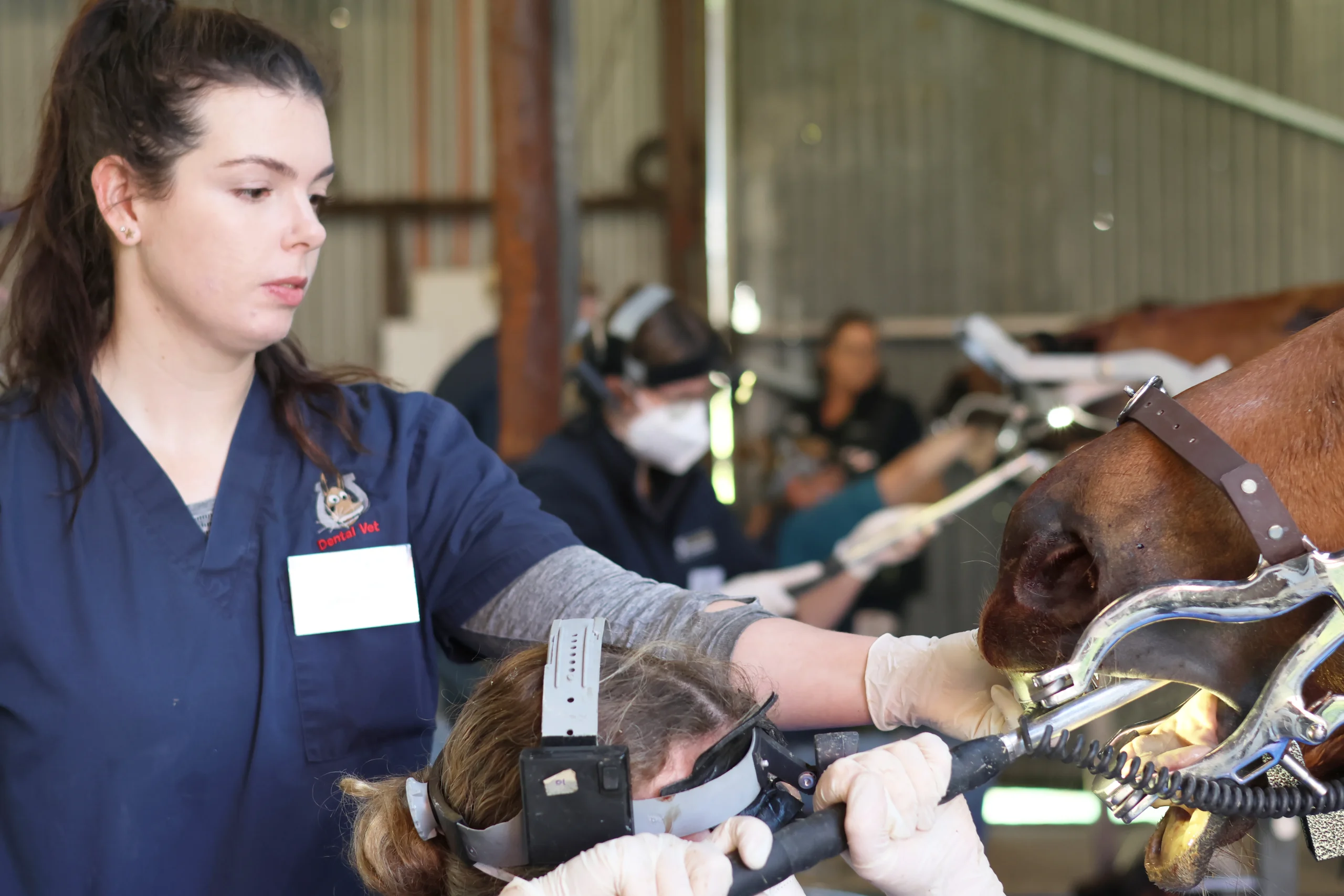
This confidence developed through a combination of demonstration and hands-on practice, with guidance from tutors. By performing the techniques themselves, participants were able to integrate new skills into their clinical practice.
This approach also benefited skills that participants already use regularly. During the practical session, each participant performed floating and received feedback from a tutor. Some horses presented with deviated teeth or overgrowths, which allowed us to discuss subtle, targeted adjustments.
These incremental refinements can significantly influence oral function over time. By discussing these decisions together, experienced participants were able to further develop their foundational skills.
“Great notes for future use. Relevant practical sessions and demonstrations. Knowledgeable, friendly tutors.”
Course Participant
A Hidden Periodontal Pocket Illustrated The Importance Of Thorough Examination
During the workshop, a practical examination demonstrated the value of a careful, systematic dental assessment.
During one session, a participant examined a horse and initially did not identify periodontal disease between the last two cheek teeth. With guidance, the area was re-examined, and a significant periodontal pocket was found at the back of the mouth.
The participant reflected that she would have previously missed this finding. With this experience, she now feels more confident in identifying similar conditions in future patients.
This single case highlighted the broader welfare implications of thorough education. Early detection is essential, as we cannot address conditions that go undetected.
The Final Day Brought Everything Together
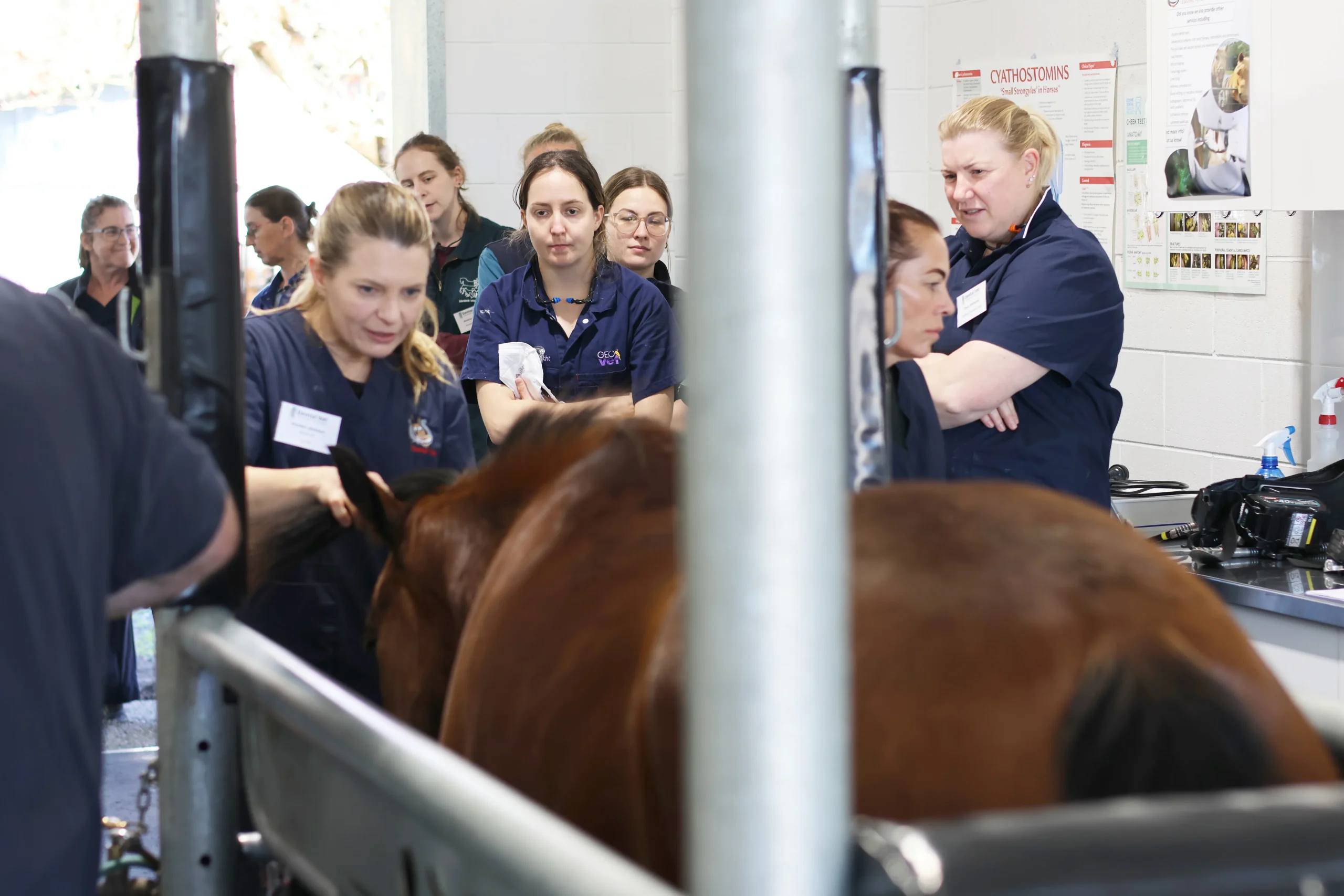
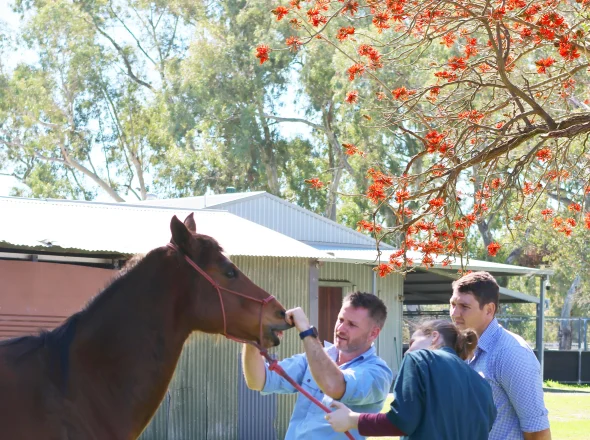
The impact of the workshop was most apparent on the final day, when participants brought their learning together through practical work with live horses and cadavers.
Participants performed dentistry on live horses while others developed skills in extractions, diastema burring, vital pulpotomies and nerve blocks. We asked each veterinarian what they most wanted to practise, then provided close guidance as they worked through those procedures.
By the end of the day, participants were beaming. There was a genuine sense of accomplishment as they left with greater confidence and practical skills they had not possessed before the workshop.
Seeing that shift over just three days reinforced the value of practical education supported by experienced tutors. Each new skill can now be carried into practice, improving dental care for horses across Western Australia.
“Hands-on time with cadaver heads [was invaluable]. It gave me a chance to practice things I’m not ready to do on a live horse.”
Course Participant
Better Education Must Lead Back To The Horse
The true value of an educational event lies in its ability to influence clinical practice and improve outcomes for the horses in our care.
In this workshop, we saw the impact of identifying a hidden periodontal pocket and refining floating techniques. Participants also gained confidence by performing unfamiliar procedures with detailed, real-time feedback from experienced tutors.
This practical, supported experience helps veterinarians develop skills they can apply with greater confidence in daily practice.
This approach to education supports improved equine welfare by helping veterinarians recognise disease earlier, make informed decisions, and provide appropriate care with greater confidence and compassion.
The workshop also highlighted the importance of learning within a professional community. Tutors and participants shared approaches, discussed clinical decisions, and addressed the practical realities of equine practice together.
We are considering future opportunities for both in-person and online education. If there are specific equine dentistry topics or practical skills you would like us to cover, we welcome your suggestions and look forward to supporting your continued learning.
A huge thank you to our fellow tutors, our sponsors and of course the participants. Together, we can improve equine welfare through education, prevention and evidence-based care.
Sponsored by





Meet the Author
Dr Kirsten Jackson is the Owner and Director of Dental Vet and is passionate about her craft, treating every patient with the time, care and consideration she would give her own.
She is dedicated to improving the comfort and wellbeing of horses and other equine patients through advanced, preventative and compassionate dental care.
FAQs
What Does A Practical Equine Vet Dentistry Workshop Cover?
A practical equine dentistry workshop may combine anatomy, pathology, oral examination, treatment planning, sedation, analgesia, radiology and dental techniques. Dental Vet’s 2026 workshop included theory, cadaver practice and supervised sessions with live horses, allowing participants to apply the material directly.
Why Is Hands-On Equine Dental Training Important?
Hands-on training lets vets perform a technique under supervision and receive immediate, case-specific feedback. During this workshop, participants said that moving from demonstration to guided practice gave them confidence to attempt procedures they had previously avoided.
What Advanced Equine Dental Skills Can Vets Learn?
The appropriate skills depend on the vet’s current experience and the training available. In this course, workshop participants showed particular interest in extractions, vital pulpotomies, diastema burring and periodontal disease treatment, all supported by guided practical learning.
Can An Unsedated Oral Examination Miss Dental Disease?
Yes. An unsedated oral examination may be limited and can miss problems that require a thorough view of the mouth or further diagnostic testing. If only a cursory examination is possible, its limitations should be clearly recorded and communicated.
Is Periodontal Disease Easy To Miss In A Horse's Mouth?
Yes. Periodontal disease can sit between the teeth and may be difficult to identify without a careful, systematic examination. During the workshop, cleaning one overlooked area revealed a significant periodontal pocket between the last two teeth.
What Can Facial Swelling Mean In A Horse?
Facial swelling can have several possible causes, including an infected or abscessed tooth. One workshop case involved a horse whose swelling was later investigated through a detailed dental examination and radiographs, which revealed a severely infected tooth.
How Is An Abscessed Tooth Diagnosed In A Horse?
Diagnosis may require a detailed oral examination together with dental radiographs. In the case discussed during the workshop, this combination identified the infected tooth beneath an outward facial swelling.
Why Can Small Dental Overgrowths Matter Over Time?
Small overgrowths and deviated teeth can alter how a horse’s mouth functions and may become more significant if left unaddressed. Tutor checks during the workshop helped participants identify where subtle, targeted adjustments were appropriate.

Whether you've got a new foal, referring a patient for review, or are worried about your horse's wellbeing, we're here to help!